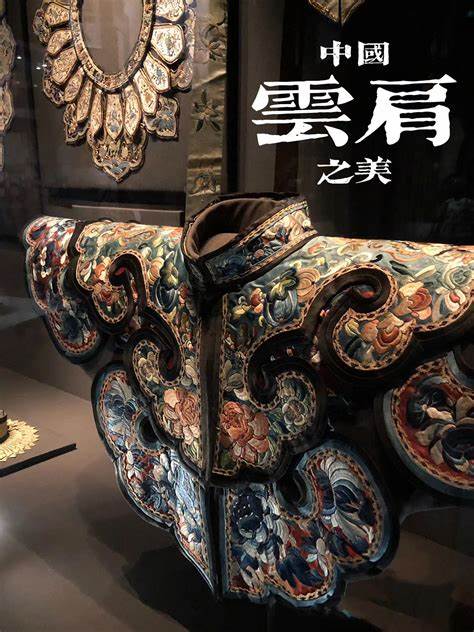
赏读|云肩,中国传统服饰之美
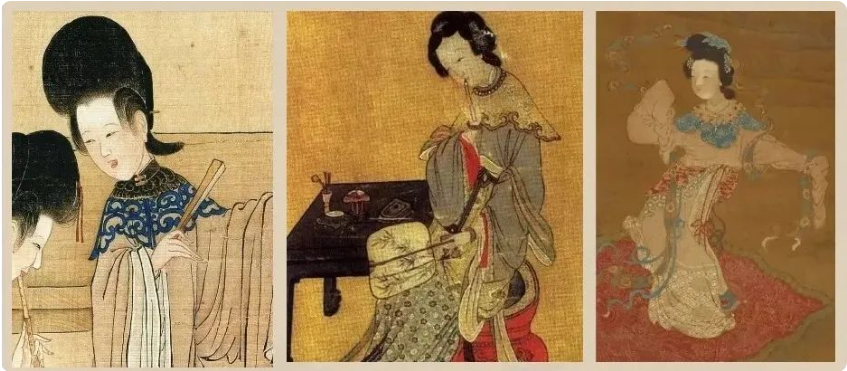
云肩的历史可以追溯到秦汉以前,其图象资料最早见于敦煌隋代壁画,已经中国化的观音菩萨身披云肩。云肩的名称由来与其装饰图案有关,因其常用四方四合云纹装饰, 并多以彩锦绣制而成,晔如雨后云霞映日,晴空散彩虹,故称之为“云肩”。
云肩的历史可以追溯到秦汉以前,其图象资料最早见于敦煌隋代壁画,已经中国化的观音菩萨身披云肩。云肩的名称由来与其装饰图案有关,因其常用四方四合云纹装饰, 并多以彩锦绣制而成,晔如雨后云霞映日,晴空散彩虹,故称之为“云肩”。
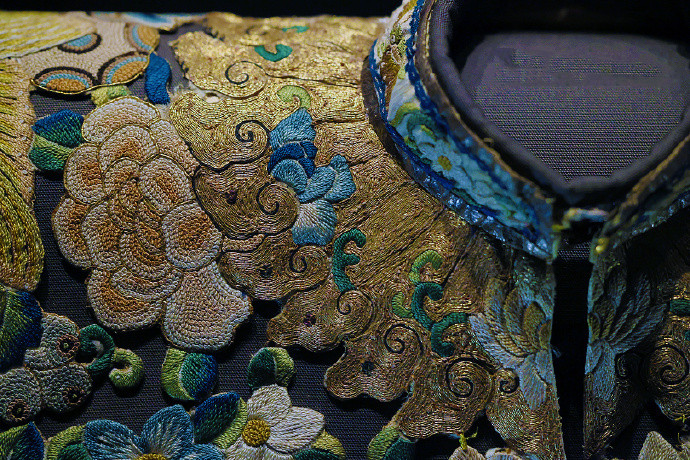
云肩的制作工艺非常精细,需要根据女性身体的体形进行立体式的摆设再进行裁制,力求穿在肩头得体而有分寸。云肩的绣制有各种各样的针法,如挽针、接针、滚针、松针、钉线、打子、圈金、抢针、齐针等,样式也较为繁多。
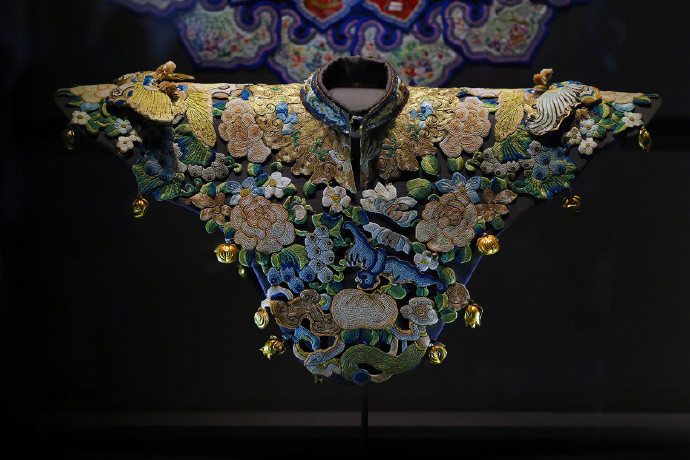
云肩的图案构成丰富多样,涵盖了神仙、花鸟鱼虫、人物、山水、吉祥符号等元素,并通过不同元素寄寓不同的吉祥内容。云肩的文化内涵也非常深刻,它不仅是一种服饰,更是一种文化符号,代表了中国传统文化中的“天人合一”、“福善祥吉”等价值理念。
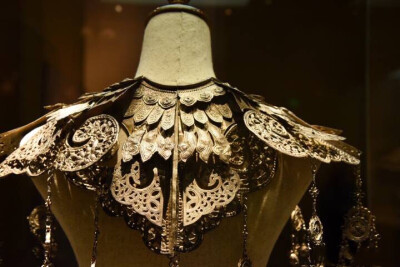
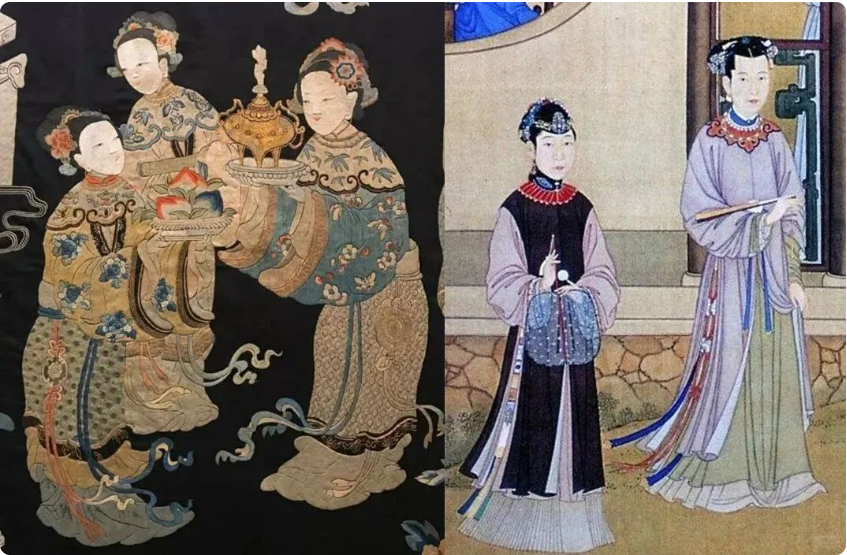
在现代,云肩已经逐渐淡出了人们的日常生活,但它仍然是中国传统文化中的重要组成部分,经常出现在戏曲、舞蹈等艺术形式中。同时,云肩也成为了时尚界的宠儿,许多设计师将其元素融入到现代服装设计中,展现出独特的魅力。
这是最常见的云肩样式之一。四个云头分别向四个方向展开,形成“四合”,寓意四方如意、事事顺遂。整体造型简洁大方,线条流畅,给人以端庄稳重之感。
云肩的典型款式是“四合如意式”与“四方柳叶式”。“四合如意式”由四面“如意形”的条状云头前后对合而成,象征天下四方祥和如意;“四方柳叶式”的云肩造型由八条、十六条、十八条等数量不等的柳叶形作放射状构成,象征春色满园,生命常青。
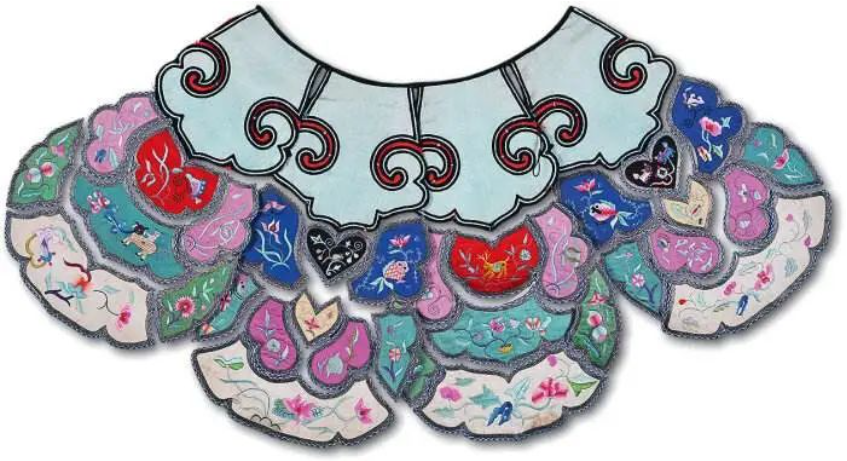
Shouder emmbroidry, in the Han ethnic clothing culture, is a unique clothing style with rich decorative patterns, artistic language of symbols, metaphorical meanings of numbers, and profound cultural and philosophical connotations.
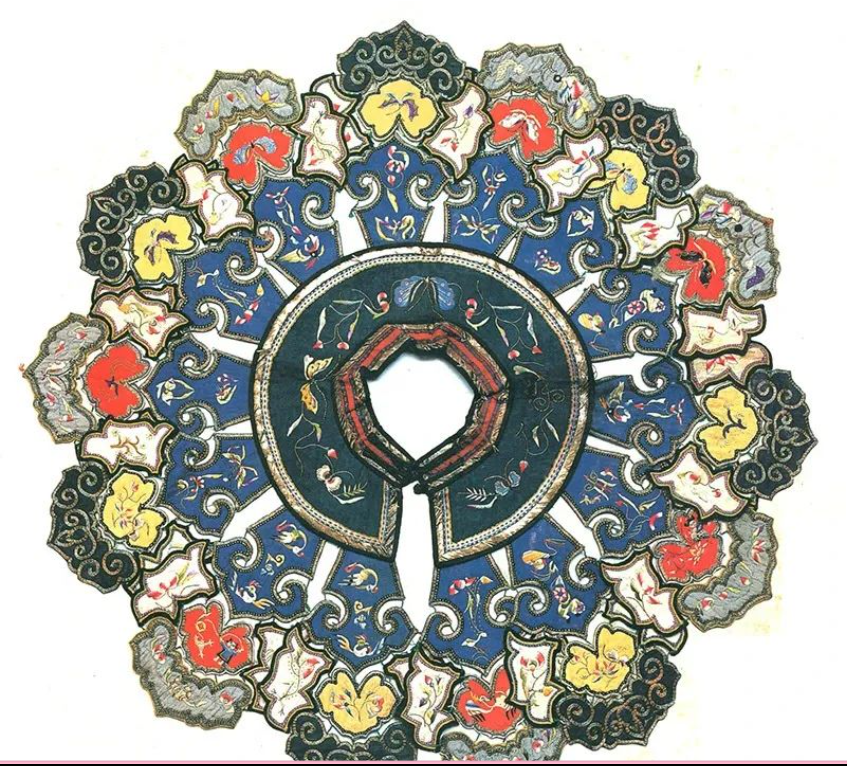
Shouder embroidery is also the crystallization of Han ethnic costumes that absorb clothing culture, integrate and sublimate into their national costumes
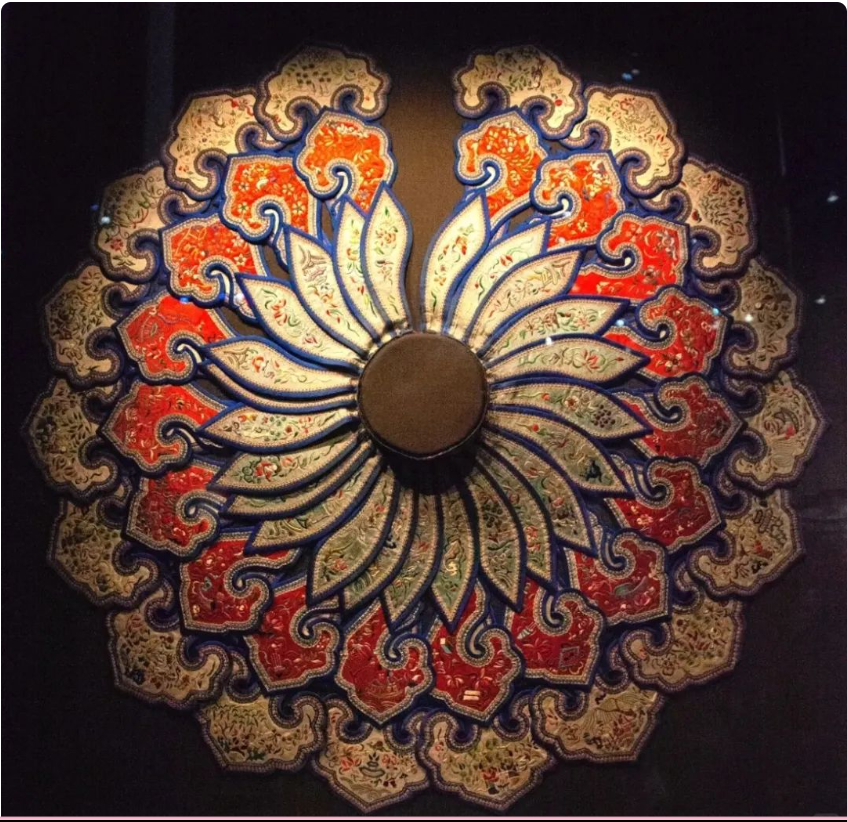
Shoulder embroidery is a type of clothing that evolved from early fairy costumes, and this type of Yunshou had become ordinary person's clothing by the Yuan Dynasty at the latest.
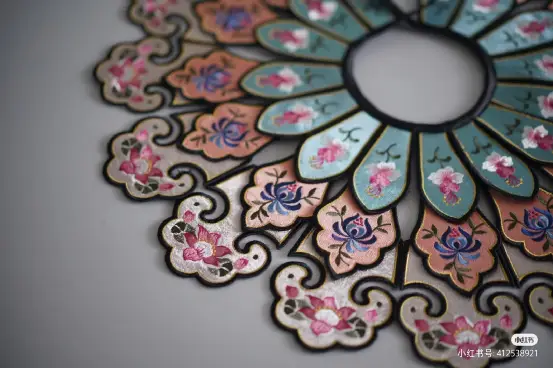
In the early days, most of the cloud shoulders resembled wings hanging on both sides of the shoulders, but according to the Hundred Dramas in the Han Dynasty murals in Yinan, there were also cloud shoulders around the neck.